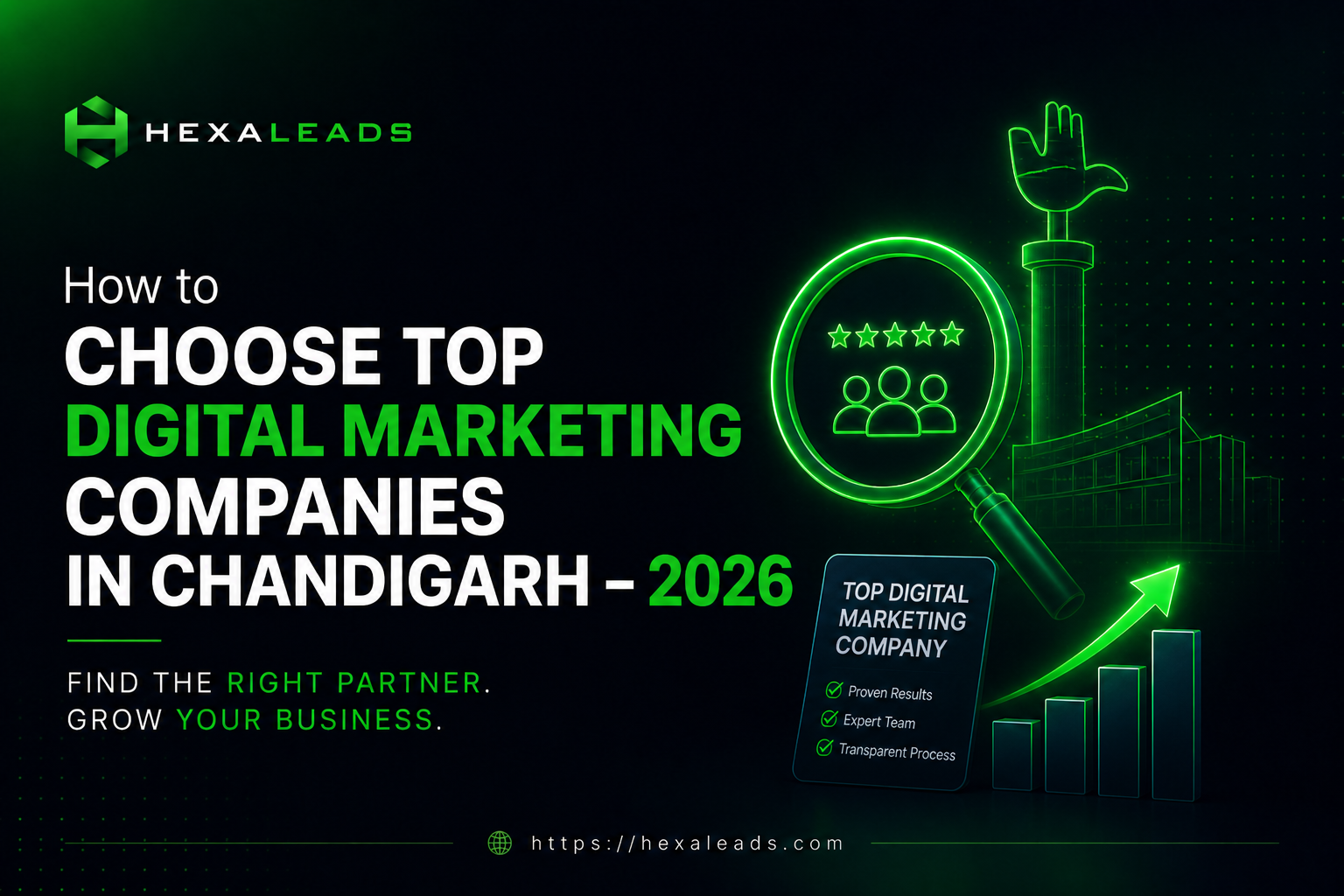
How to Choose Top Digital Marketing Companies in Chandigarh – 2026
In 2026, customers discover, compare, and trust businesses online before making any decision. If your brand is not visible on search engines, social media, or ads, you are losing potential customers daily. A digital marketing agency in Chandigarh helps you reach the right audience, track real data, and continuously improve performance. Choosing the right digital marketing agency doesn’t just run campaigns; it understands your goals, builds the right strategy, and focuses on real results like leads, conversions, and ROI.
With cities like Chandigarh emerging as fast-growing business hubs, competition is increasing rapidly. Businesses here are actively investing in digital growth, making it even more important to work with an agency that understands the market and delivers measurable outcomes. So, how do you choose the right one? Today, we are going to delve into how to choose the top digital marketing companies in Chandigarh.
Why Choosing the Right Digital Marketing Company in Chandigarh Can Make or Break Your Growth
Having a strong business presence in an ever-evolving world is crucial for success. Nowadays, every business needs to adopt various digital marketing strategies to stay ahead of the competition. But it is equally important to choose the right digital marketing services in Chandigarh for a successful digital journey.
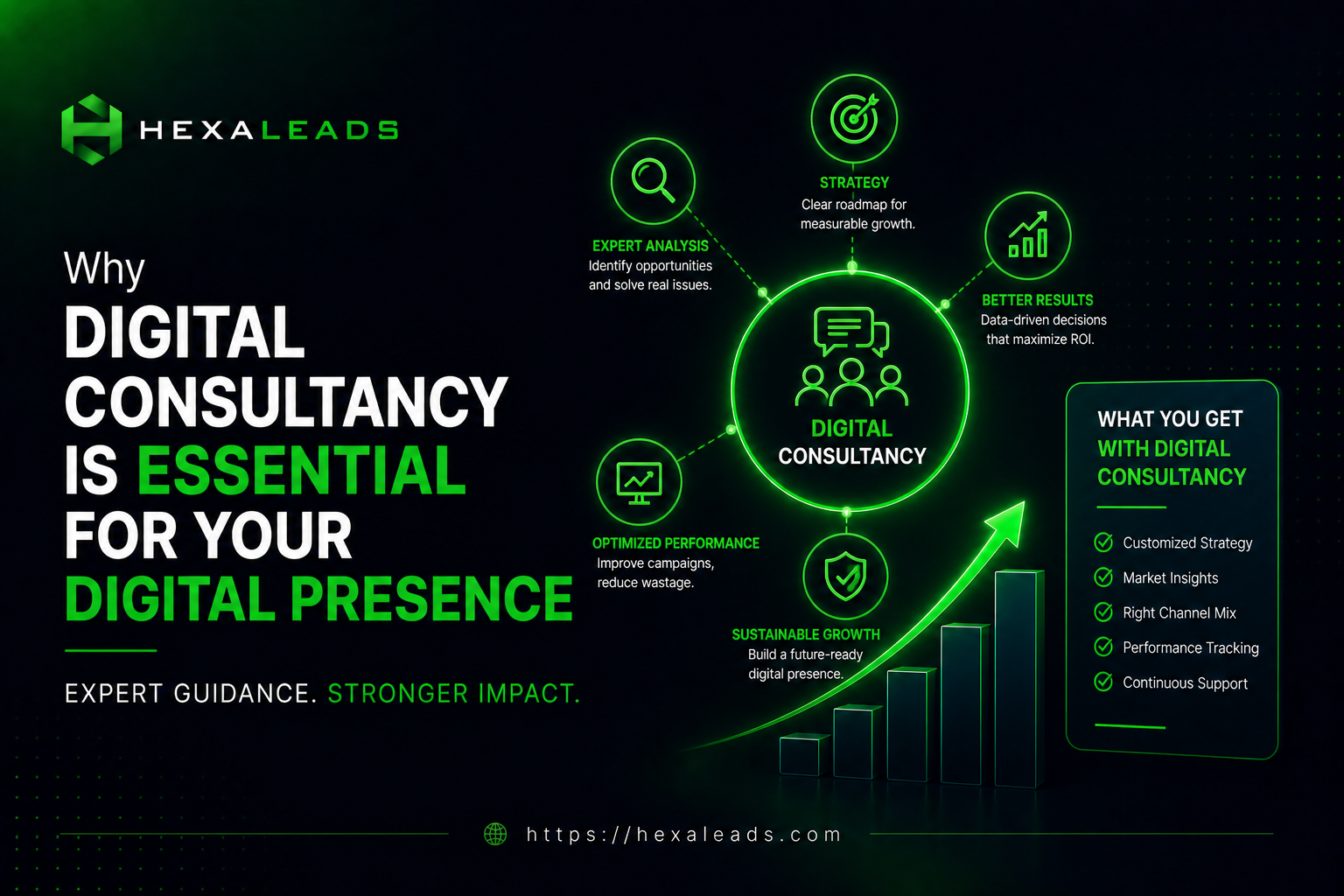
It is important to note that an effective digital marketing firm in Chandigarh offers much more than mere advertisement. The firm should have a profound understanding of the client’s business, target audience, and objectives. The agency should craft a comprehensive plan based on measurable outcomes such as lead generation, conversion rates, and return on investment. All this will enable the client’s enterprise to experience sustainable growth through an efficient and structured process.
Alternatively, making the wrong choice can result in the wastage of time and financial resources. Most enterprises fail to achieve their goals due to the lack of outcomes, poor management of the campaigns, and the absence of a strategy.
Key Factors You Must Check Before Selecting a Digital Marketing Company in 2026
Digital marketing in 2026 has become a highly competitive field which relies on data analysis. All companies are spending money to develop their online presence, but not all agencies produce actual outcomes. The process of selecting an appropriate online marketing company in Chandigarh requires organisations to conduct thorough assessments.
The first thing to check is strategy and understanding. An effective agency will begin its work only after it completes all necessary preliminary research. The agency will develop a precise execution strategy after it completes its research on your business, target audience and objectives.
Next is proven results and experience. You should always search for samples of their work, case studies and details about their previous industries. This shows whether they can actually deliver growth. Another important factor is a data-driven approach. The correct agency needs to observe their advertising results and conduct performance evaluations and execution improvements through their advertising campaigns.
The organisation needs to be evaluated through its service offerings and its professional competence. The agency must provide solutions that meet your requirements through its SEO, advertising, content and design services.
The organisation needs to establish effective methods for sharing information and maintaining operational visibility. The process needs to include regular updates, together with clear reporting methods and complete, honest insights to achieve successful results.
Top Services Offered by Leading Digital Marketing Companies in Chandigarh
Digital marketing firm in Chandigarh provides multiple services which help businesses achieve online expansion, better visibility and increased revenue growth. The following list contains the main items of information which we will explain using straightforward definitions:
- SEO (Search Engine Optimisation)
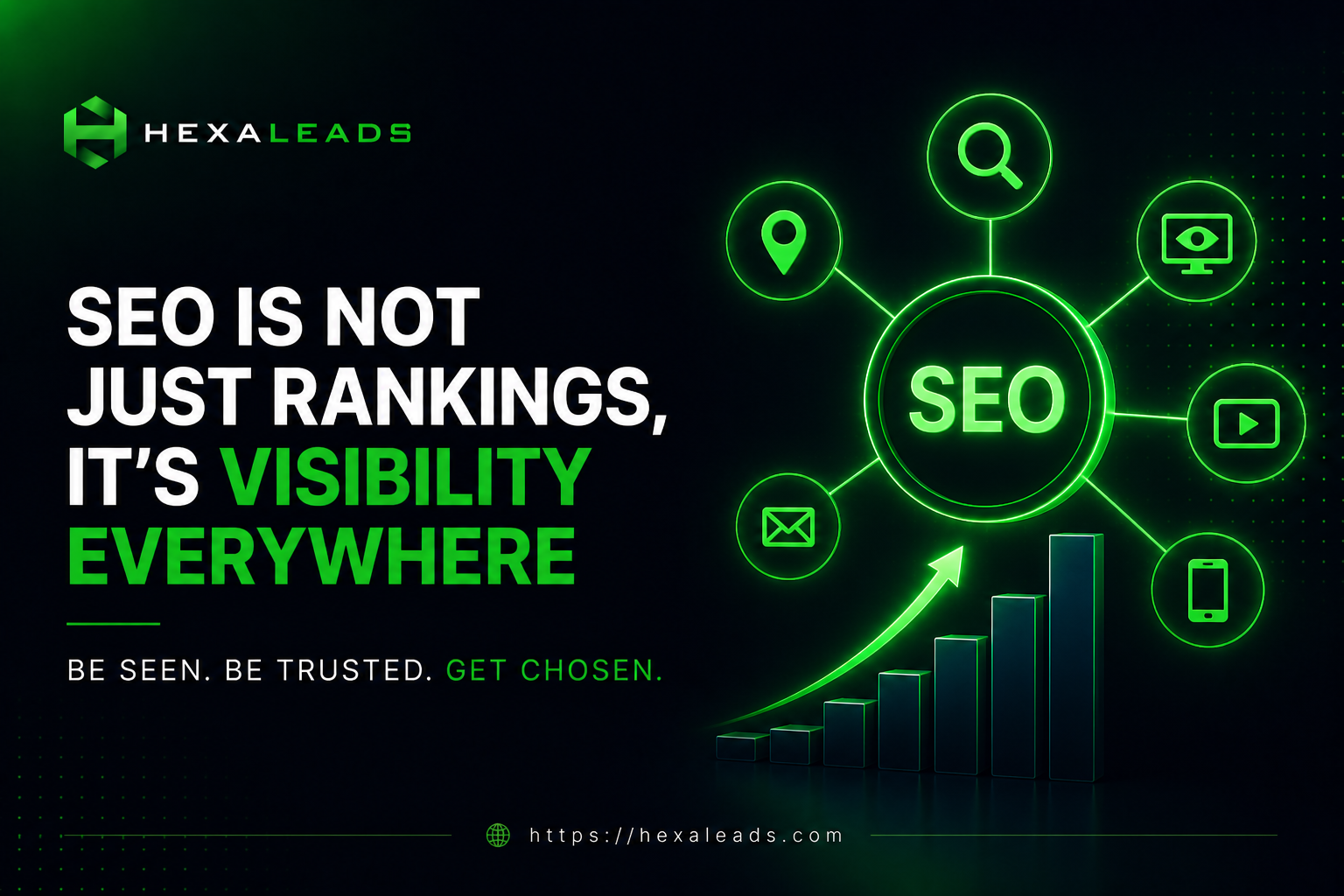
SEO enables your website to show up on Google results when users look for your business offerings. The process involves website enhancements, which require selecting appropriate keywords and establishing business trust to achieve higher rankings that result in increased organic website traffic.
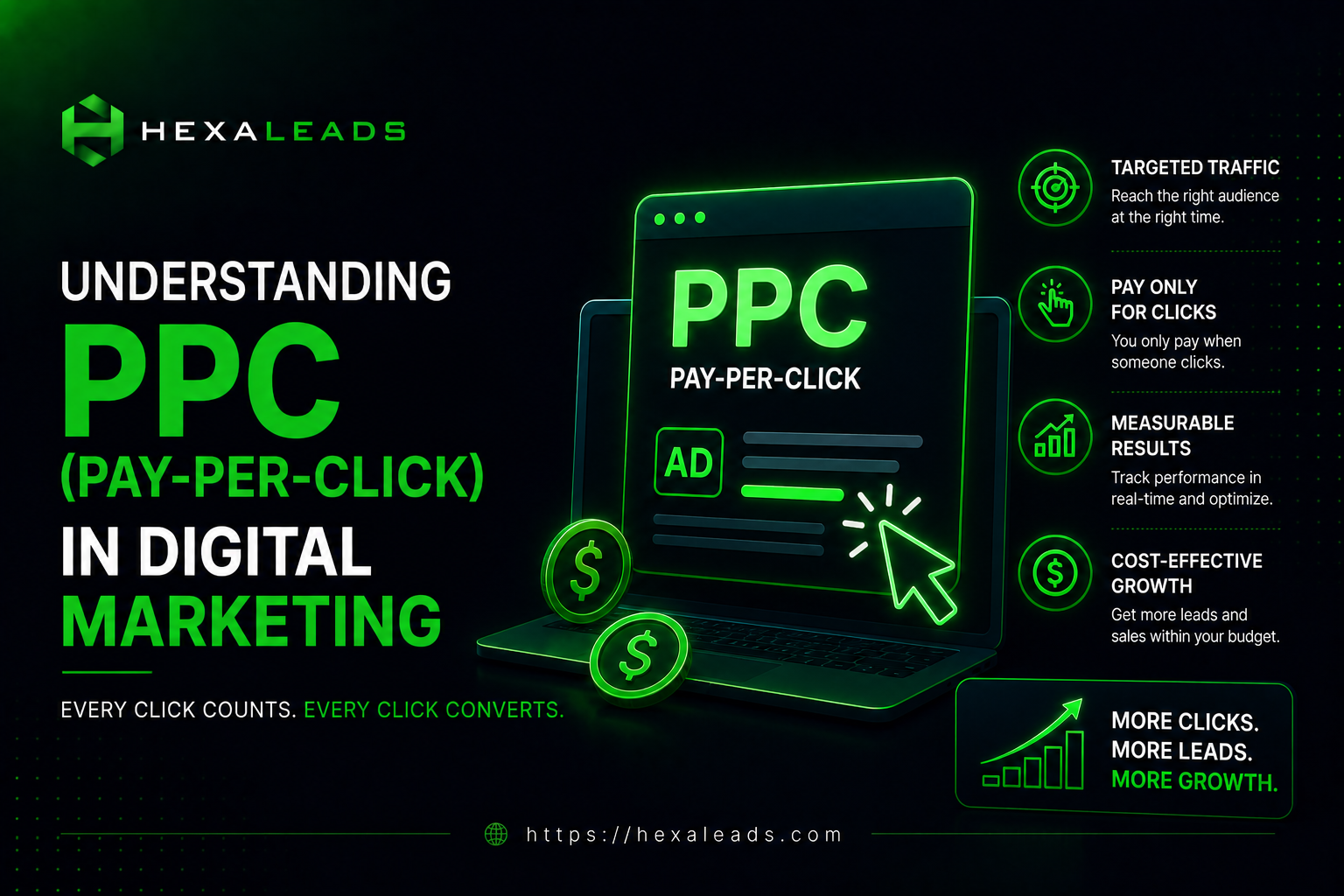
PPC involves executing advertising campaigns which use payment solutions across various platforms, including Google. The business pays for advertisement space, which appears at the top of search results to generate immediate website traffic, customer leads and product sales.
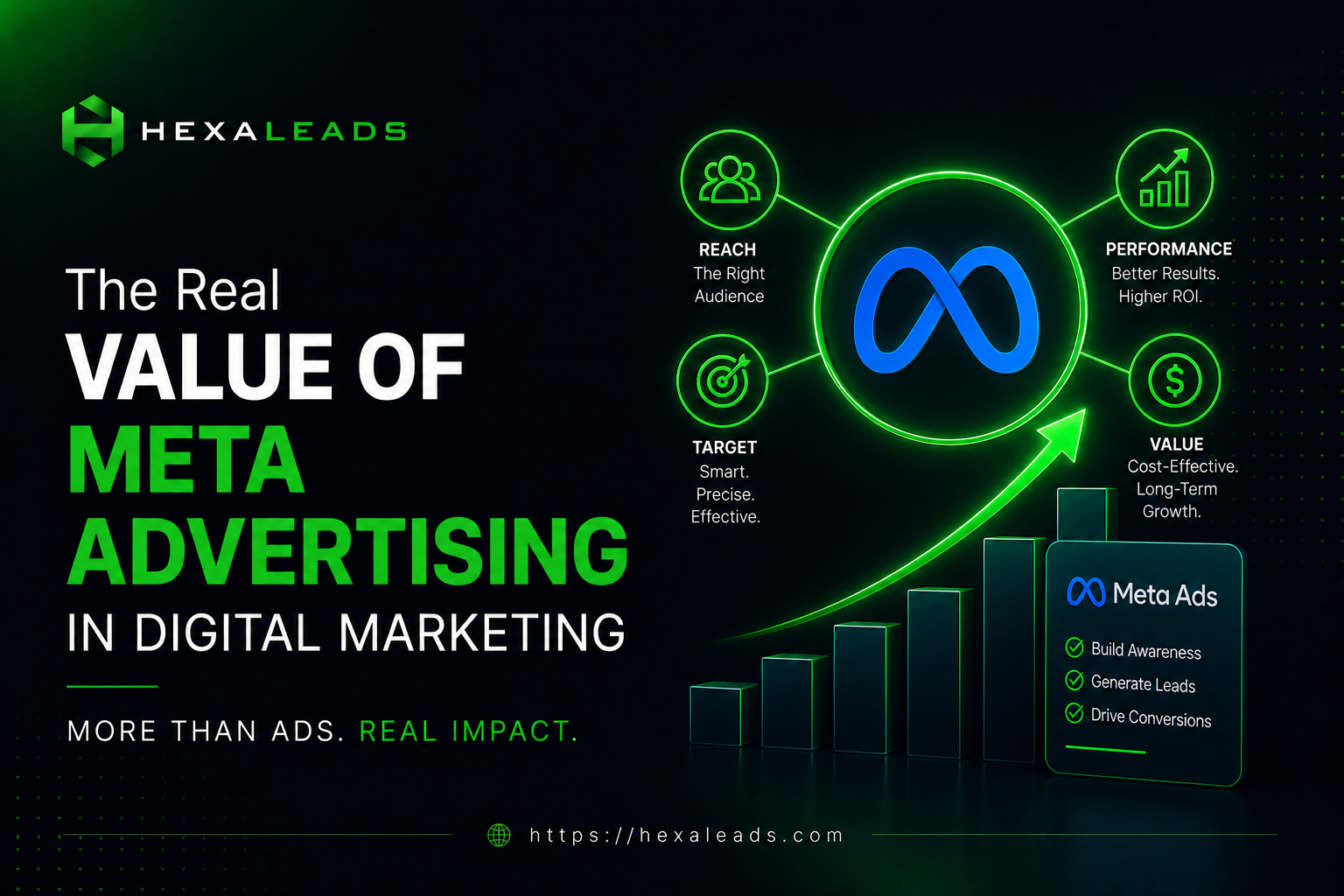
This process uses platforms such as Instagram, Facebook and LinkedIn to advertise your company. This approach enables you to establish connections with your audience and gain their trust while enhancing your brand recognition.
Content marketing involves producing valuable materials, which include blogs, videos and social media updates. High-quality content draws visitors to your site while establishing trust, which helps turn users into paying customers.
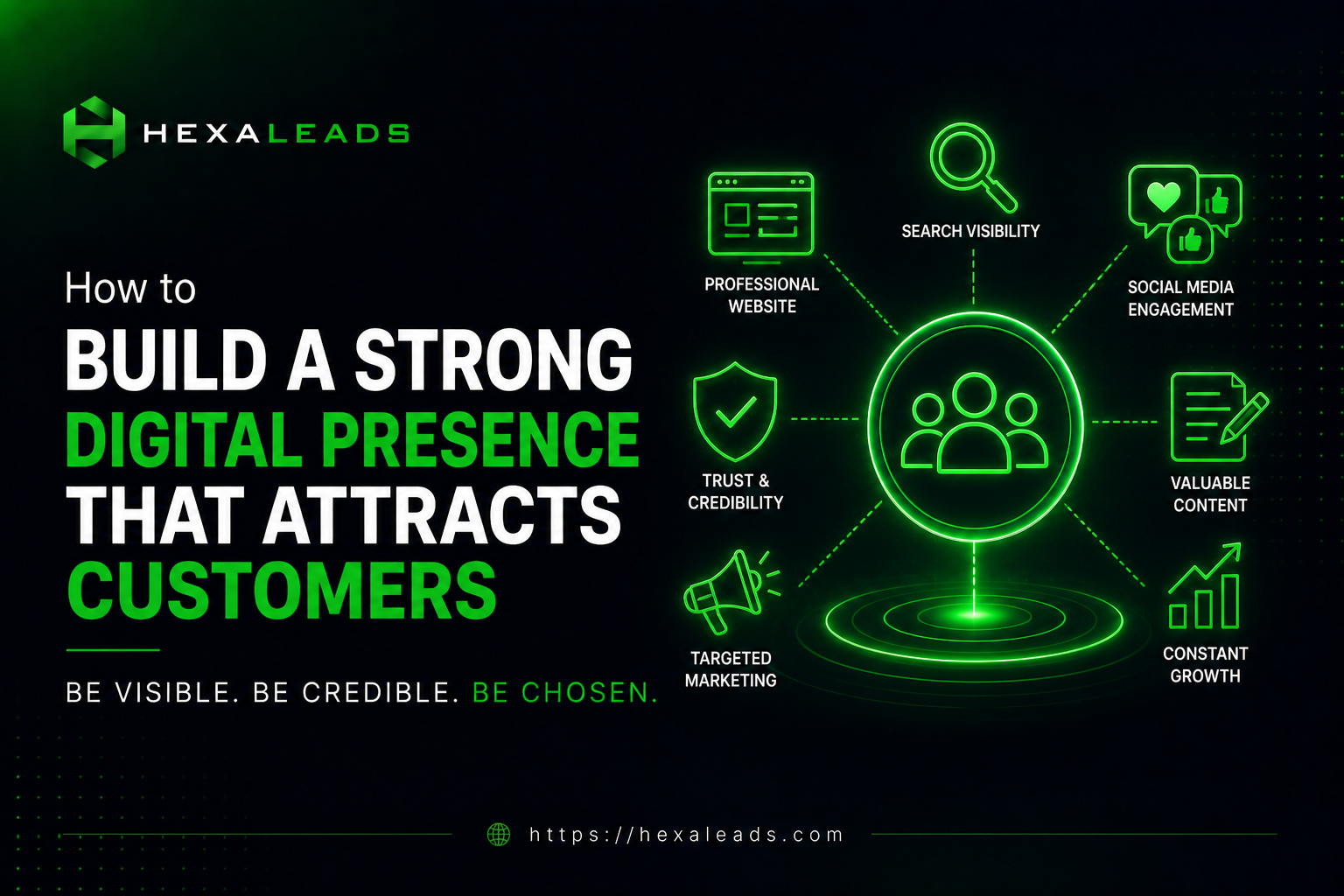
Your website functions as your online retail space. The website should provide fast performance and easy navigation, while its design must aim to transform visitors into customers and sales leads.
Red Flags You Should Never Ignore While Hiring a Digital Marketing Agency
The wrong choice of digital marketing services in Chandigarh will harm your business growth and cause unnecessary spending. The common red flags should be examined before you make your choice.
- Unrealistic Promises (Instant Rankings)
Be careful when an agency offers to achieve “Number one Google ranking within several days.” Achieving real digital growth requires organisations to plan their work and implement their plans through continuous execution. The immediate results which people show you are actually deceptive.
Major communication problems serve as a critical warning signal. The agency creates confusion through its slow response times, its inability to provide clear explanations, and its failure to offer updates.
A good agency always works with a plan. They will show no understanding of your business aims when they start advertising and social media posting activities.
You need proper reports to discover which elements succeed in your system. A trustworthy agency provides clients with data about their traffic, leads and performance details at regular intervals.
Questions You Should Ask Before Finalising a Digital Marketing Firm in Chandigarh
The appropriate questions need to be asked before selecting an online marketing company in Chandigarh because this process will help you save time and money and reduce your work obligations. The questions you ask will help you determine whether the agency matches your business requirements.
- What is your strategy for my business?
A good agency should explain a clear plan based on your goals, audience, and industry.
- How do you measure results?
The company should explain its success measurement methods, which include leads and traffic, conversions and ROI.
- Can you show past results or case studies?
The information helps you assess their expertise and evaluate their capacity to generate substantial growth.
- What tools and platforms do you use?
The right tools enable organisations to enhance their tracking capabilities while optimising their performance results.
- How often will you share reports and updates?
The company needs to establish a reporting schedule which will keep clients informed about project progress.
- How will you improve results over time?
The agency should maintain continuous optimisation practices instead of performing single execution tasks.
Conclusion
Your business needs to select the appropriate digital marketing firm in Chandigarh because this decision holds critical importance for your company’s growth. The correct agency delivers strategic guidance together with clear outcomes which can be measured, whereas the incorrect agency wastes both time and financial resources.
You should select your service provider according to their demonstrated results and professional knowledge instead of making your decision based on pricing. A reliable digital partner will create a sustainable success framework for your business by delivering their services to you.
Your current selection process will determine the future success of your company.
FAQs
1. How much do digital marketing services cost in Chandigarh?
The cost depends on the services you choose and your business goals. Basic packages can start from ₹10,000 to ₹25,000 per month, while advanced strategies with ads and SEO can go higher depending on scale and competition.
2. How long does SEO take to drive results?
SEO is a long-term process. You can start seeing initial results in 3–4 months, but strong and consistent rankings usually take 6–12 months.
3. Which digital marketing service is best for start-ups?
For beginners, social media marketing and basic SEO provide the best starting point. If you want quick results, you can also run paid ads PPC to generate immediate leads.
4. How to know if an agency is genuine?
Check their past work, client reviews and case studies. A genuine agency will have clear communication, proper reporting and realistic expectations instead of making false promises.